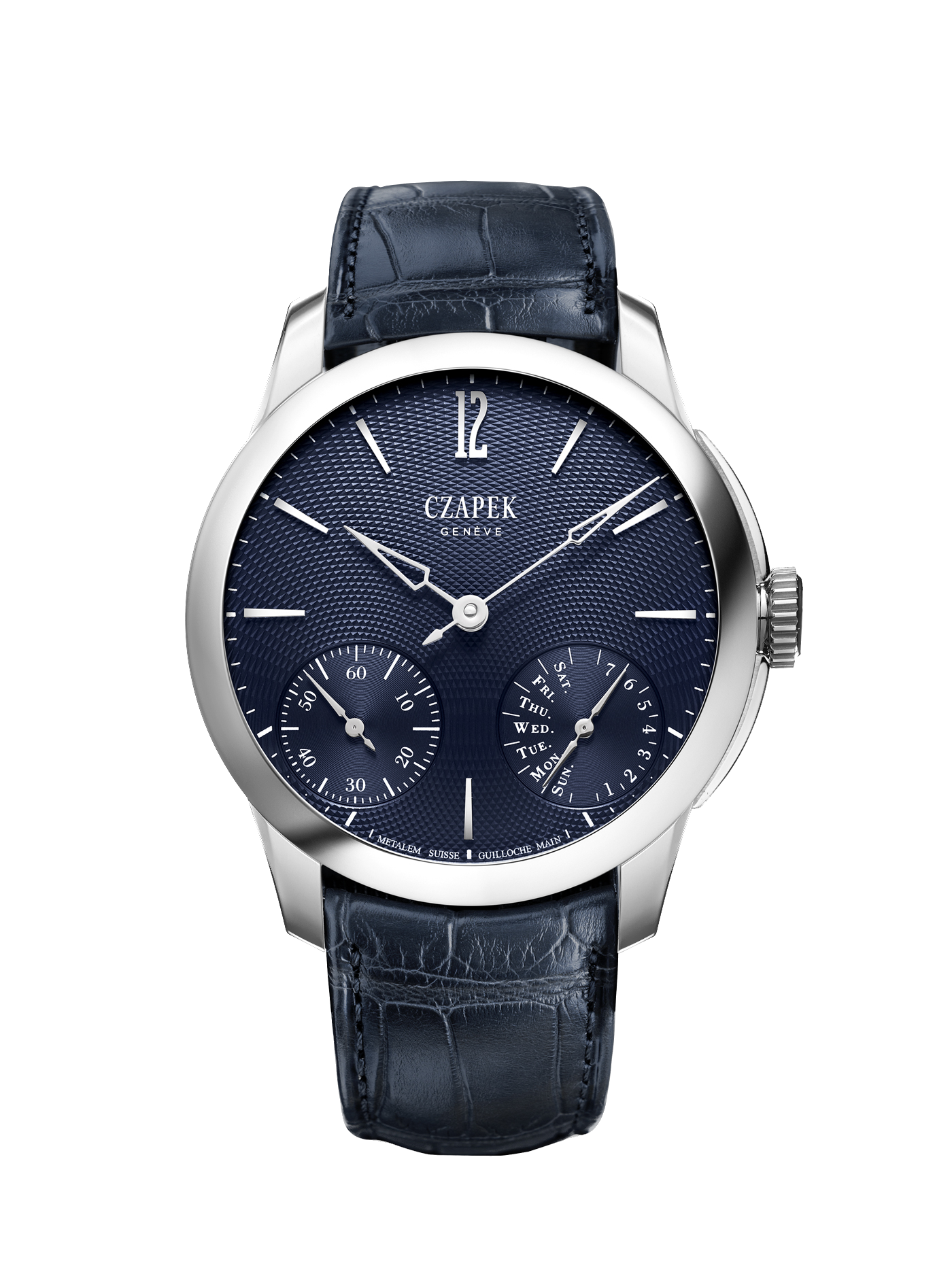
Czapek, una casa independiente con una historia única

Los primeros pasos de una colaboración legendaria
Existen casas que tienen una historia poco común y que, a veces, reaparecen tras un largo periodo de extravío. La historia que nos ocupa hoy comienza en 1832 en Suiza. Franciszek Czapek, un relojero polaco de 21 años, estableció su taller en Suiza tras huir de su tierra natal debido a la ocupación de esta por las tropas rusas. En 1839 se asoció con otro colega polaco que había huido del país, Antoni Patek. De esta asociación nació la manufactura "Patek, Czapek & Cie", cuyo objetivo era simple: fabricar los mejores relojes del mundo.
La historia ha demostrado a menudo que las asociaciones de dos relojeros con gran ambición han marcado la relojería para siempre, ya sea Vacheron Constantin, Jaeger-LeCoultre o Audemars Piguet. Sin embargo, en este caso, la colaboración duró solo 6 años, sin que se conozcan con certeza las causas de esta separación. Franciszek Czapek, que pasó a llamarse François Czapek, continuó su camino bajo el nombre de "Czapek & Cie" con un amigo relojero polaco, mientras que Antoine Patek conoció a Jean-Adrien Philippe, lo que permitió la creación de Patek, Philippe & Cie en 1851.


Una fuerte independencia con hechos de armas.
Si bien hoy la historia concede todas las letras de oro a Patek Philippe, cabe señalar que en aquella época "Czapek & Cie" era una de las casas relojeras más prestigiosas. Fue el relojero oficial de Napoleón III y también suministró a la corte imperial. Uno de sus prestigiosos hechos de armas es que la manufactura fue una de las primeras tiendas de relojes en establecerse en la Place des Piques, más conocida como Place Vendôme, en el número 25.
Sin embargo, una de las grandes diferencias entre las dos casas es que Patek Philippe supo escribir su historia tras el fallecimiento de sus fundadores, mientras que Czapek desapareció discretamente al mismo tiempo que su fundador original, alrededor de 1869.


El renacimiento de la casa a través de un crowdfunding particular.
Pero una vez más, gracias al encuentro y la voluntad de tres hombres, la casa Czapek fue adquirida en 2012 y renació de sus cenizas en 2015. Para permitir este renacimiento, optaron por un mecanismo de financiación particular, ofreciendo a cualquier particular que lo deseara la posibilidad de adquirir participaciones del grupo. Una vez obtenidas las finanzas, los fundadores recuperaron la práctica totalidad de los códigos de la manufactura ginebrina y, ese mismo año, propusieron un guardatiempo inspirado en un modelo diseñado por François Czapek en 1850, el modelo "Quai de Bergues No 33bis".

En este modelo de excepción, limitado a 188 ejemplares, los artesanos de Czapek trabajan con materiales prestigiosos como el oro rojo o el esmalte grand feu, y desarrollan un movimiento Czapek propio en colaboración con Chronode, con acabados arenados en los puentes. Los detalles, tanto visibles como invisibles, se tratan con gran atención, con la presencia de la firma secreta personalizable en la esfera y las agujas de oro cinceladas con un acabado pulido a mano.
Como es de esperar, con este nivel de acabado y este guiño a la historia, el reloj fue reconocido de la mejor manera, obteniendo en 2016 el "Gran Premio del Público" del Grand Prix d'Horlogerie de Genève.
Este éxito rotundo permitió relanzar plenamente la casa, que no dejaría de innovar, proponiendo cada año relojes exitosos con una estética particular, como el "Place Vendôme Tourbillon Suspendu" en 2017 y el "Faubourg de Cracovie" en 2018, dos colecciones que hacen un guiño a los nombres de los dos lugares donde François Czapek abrió tiendas.


La gama Antarctique, símbolo de refinamiento y atemporalidad.
En 2020, la popularidad de la marca explotó verdaderamente con la presentación de una gama particular, la gama "Antarctique". Es el resultado de un equilibrio casi perfecto entre sofisticación y minimalismo, permitiendo que este reloj sea usado en la vida cotidiana sin dejar indiferente a nadie con su diseño. Ya sea el modelo Terre Adélie con su esfera "lamé", o Passage de Drake con su esfera "Starway to Eternity", la colección Antarctique es reconocible entre todas gracias al trabajo de los relojeros en la esfera.

En cuanto a la esfera "Passage de Drake", la elección de un motivo trapezoidal para la esfera permite crear una verdadera firma para la casa ginebrina. Como anécdota, esta elección proviene de un accidente durante el ajuste de los parámetros por parte del diseñador del grupo, quien por error amplió el tamaño de estos trapecios en un 50%. El resultado es innegable y seduce a todos los propietarios del grupo, quienes declinarán esta esfera en varios colores: blanco, negro, glaciar, azul marino, salmón.

Esta gama “Antarctique” incorpora el movimiento SHX5, el primer movimiento diseñado íntegramente por Czapek y que fue presentado en 2020 durante la inauguración de la gama. Se inspira directamente en los relojes de bolsillo del siglo XIX con la presencia de 7 puentes esqueletizados, pero también en lo mejor de la relojería moderna con un movimiento mecánico que funciona gracias a un microrrotor de platino.

Como habrán comprendido, este renacimiento de la marca, hace ya casi una década, representa uno de los más bellos de la historia relojera contemporánea. Los 3 socios fundadores del grupo han sabido devolver la nobleza a la marca que lleva el nombre de su creador original, que, esperamos en Seconde Vintage, siga la historia y la notoriedad de su primer socio.


Dejar un comentario
Este sitio está protegido por hCaptcha y se aplican la Política de privacidad de hCaptcha y los Términos del servicio.